How Can AI Video Generators Support Social Media Campaigns?
A successful social media campaign needs more than a collection of attractive posts. Each video should serve a purpose, whether introducing a product, communicating a brand personality, encouraging participation, or creating a memorable moment. AI video generation gives marketing teams another way to develop these experiences. Instead of relying entirely on conventional filming, creators can turn written concepts and existing images into moving content. The real opportunity lies in connecting creative production with a campaign’s wider communication strategy.
Turn Campaign Ideas into Content People Want to Watch
Create a Visual Hook Before Delivering the Message
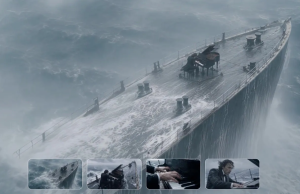
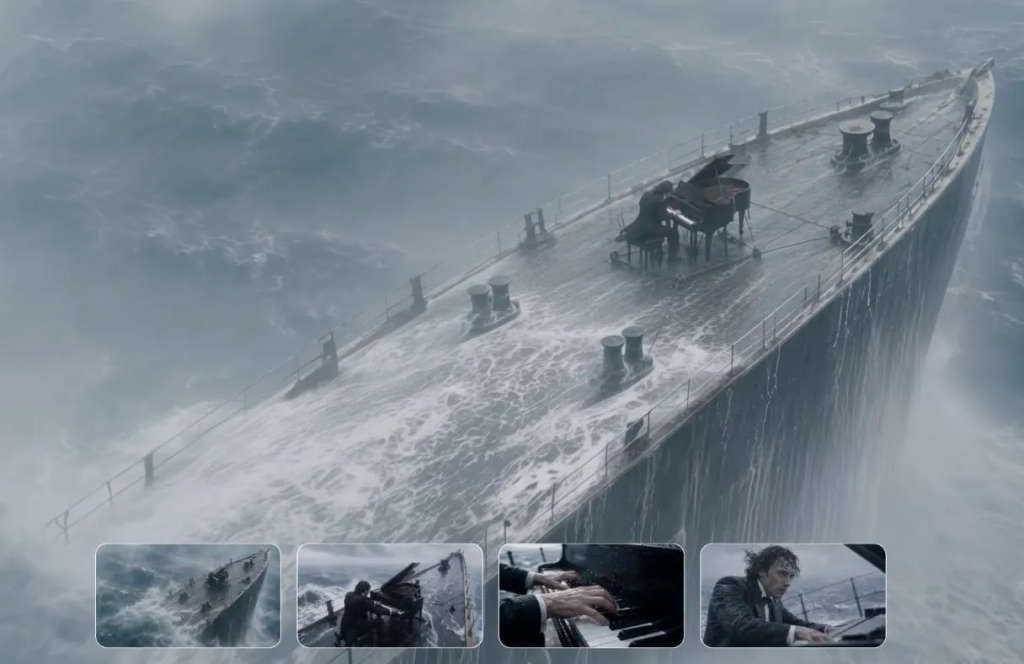
Social media users often decide within seconds whether a video deserves their attention. A campaign therefore needs an opening that creates curiosity before introducing its main message. AI-generated footage gives marketers more freedom to experiment with unusual visual situations, imaginative environments, and cinematic transitions. A skincare campaign, for example, might open with a close-up of a water droplet expanding into an abstract landscape before revealing the featured product. A travel brand could introduce a destination through a sweeping aerial-style scene. With an ai video generator, creative teams can translate these concepts into short video sequences from text descriptions or existing images. Kling AI supports both text-to-video and image-to-video creation, allowing marketers to explore different opening concepts and develop visual hooks that suit their campaign objectives.
Turn One Campaign Concept into a Connected Content Series
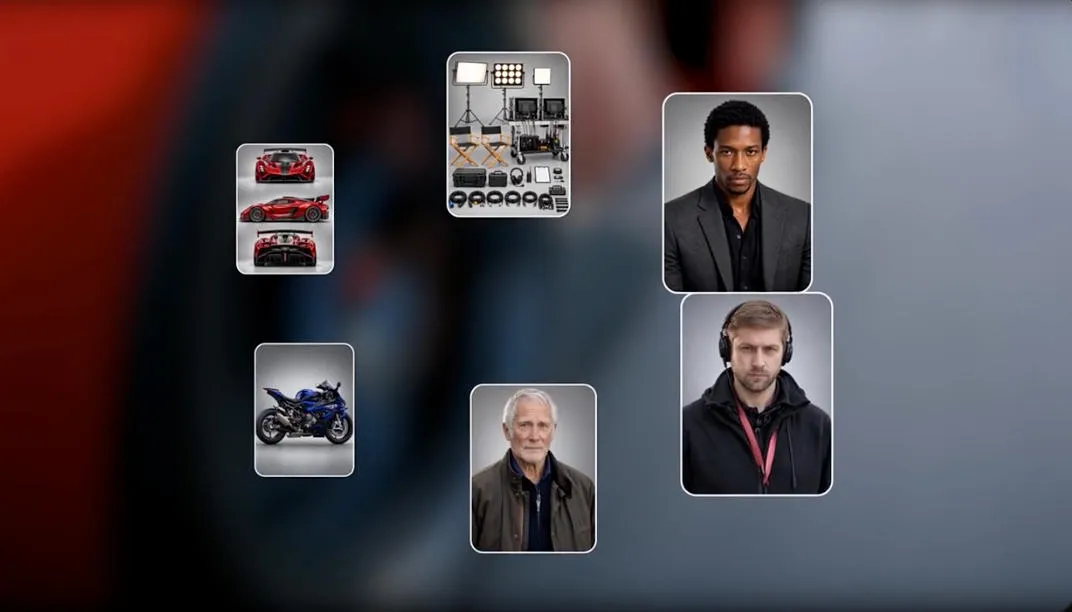
A social media campaign rarely communicates everything through one video. Different posts might introduce a product, explain a feature, share a lifestyle application, and reinforce the central message. AI video generation makes this approach more flexible by allowing marketers to develop related scenes from a shared creative direction. For instance, a fashion campaign could feature the same character across several imaginative environments, with each video highlighting a different collection or seasonal theme. Kling 4.0’s Omni Reference supports up to 15 combined reference assets, including images, videos, and subjects, subject to individual input limits. Marketers can combine character, product, and style references to guide the appearance of different scenes. This creates opportunities for connected storytelling rather than treating every social post as an isolated creative project.
Give Product Benefits a More Memorable Visual Form
Some product features are easier to understand when audiences see them represented visually. Instead of relying entirely on text overlays or conventional demonstrations, marketers can develop creative scenes that communicate a product’s purpose through movement. A technology brand might visualize data travelling between connected devices, while a furniture company could present a product within different lifestyle-inspired environments. These scenes create a visual context around the product and make advertising content more engaging. Kling AI supports product-focused image animation, cinematic camera movements, and reference-based creation. Marketers can provide product images as visual references and develop close-ups, tracking shots, or alternative presentations around recognizable product details. This approach is particularly useful when a campaign needs several creative treatments built around one central product message.
Make Campaign Production More Flexible and Audience-Focused
Adapt Video Formats to Different Social Platforms
A campaign may appear across Instagram Reels, TikTok, YouTube Shorts, and other social channels. Each placement has its own viewing context, audience expectations, and content requirements. A short vertical video might focus on one striking visual moment, while a longer campaign video could introduce a product story through several connected scenes. Marketers should therefore plan the intended format before generating footage. Kling 4.0 supports different aspect ratios and video durations of up to 30 seconds per generation. Its camera controls also support close-ups, tracking shots, and more complex movements. These options allow creative teams to explore different presentations of the same campaign idea.
Localize Creative Concepts for Different Audiences
International campaigns need more than translated captions. Audiences in different markets may respond to different settings, cultural references, visual themes, and communication styles. AI video generation offers a way to explore these creative variations while maintaining the campaign’s central identity. For example, a global beverage campaign might retain the same product presentation and visual direction while introducing different everyday environments for regional audiences. Reference assets can establish the recognizable elements that should remain consistent, while written prompts describe the setting, action, and atmosphere of each version. Kling 4.0 also supports native audio and dialogue in nine languages, creating additional possibilities for multilingual video content. Marketing teams can therefore consider language and visual adaptation together when planning campaign assets for different regions.
Test Creative Directions Through Multiple Video Concepts
Campaign performance depends partly on how effectively a creative idea connects with its intended audience. A visual approach that works for one audience segment may communicate differently to another. Creating several versions of an opening scene, product presentation, or storytelling approach gives marketing teams more material to evaluate. For example, an electronics campaign could explore three distinct creative directions: a cinematic product reveal, an everyday lifestyle scenario, and a visually driven feature demonstration. The team could then compare audience responses through metrics such as video completion rate, watch time, engagement, and click-through rate. Kling AI supports prompt adjustments, reference-based generation, and video editing that targets subjects, backgrounds, actions, and camera angles. These capabilities make creative experimentation part of the production process rather than requiring every alternative to start from an entirely new concept.
Conclusion
AI video generators give social media marketers more ways to develop campaign narratives, visualize product benefits, and adapt creative ideas across platforms. Their value extends beyond producing individual clips. They support connected storytelling, regional content adaptation, and creative testing within a broader marketing strategy. Kling AI 4.0 brings together text-to-video, image-to-video, reference-based creation, camera direction, and native audio. When these capabilities serve a clearly defined campaign objective, they turn creative concepts into more varied and engaging social media experiences.