Portable Power Station Backup for Apartments: Space-Saving Solutions
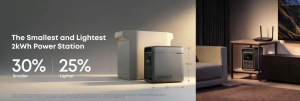
A portable power station offers a practical backup power solution for apartment residents facing unexpected electricity outages. Unlike fuel-powered generators, battery-based power stations operate without combustion exhaust, making them suitable for indoor use when manufacturer safety instructions are followed. However, limited floor space and storage options make size, portability, and battery capacity especially important. Choosing the right unit and organizing it carefully can help keep essential devices powered without creating unnecessary clutter in your apartment.
What Makes a Portable Power Station Suitable for Apartment Backup?
Compact Size and Lightweight Design for Small Spaces
Apartment living often requires making the most of limited storage space. Choose a compact power station that fits comfortably inside a closet, beneath a suitable shelf, or in another designated storage area. Check its dimensions and weight before purchasing, particularly if you need to move it between rooms. Built-in handles or wheels can make transportation easier. Prioritize a practical footprint without sacrificing the battery capacity needed to operate your essential devices during outages.
Battery Capacity and Power Output for Essential Apartment Devices
Battery capacity determines how long a power station can operate connected devices, while output wattage determines which appliances it can support. Calculate your essential electricity requirements by multiplying each device’s wattage by its expected operating hours. For instance, a 50W laptop running for six hours requires approximately 300Wh before conversion losses. Check continuous and surge output ratings when connecting appliances with motors. Choose sufficient capacity for your expected outage duration without purchasing unnecessary storage.
Quiet Operation and Indoor-Safe Battery Technology
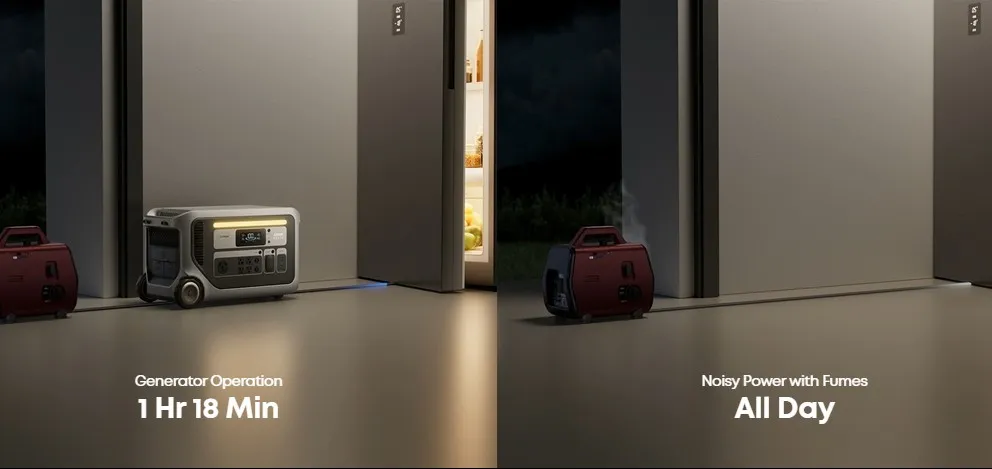
Quiet operation matters in apartments where equipment runs close to bedrooms, living areas, and neighboring units. Battery-powered stations produce no combustion exhaust during use, although cooling fans may generate noise under demanding loads. Lithium iron phosphate (LiFePO4) batteries offer strong thermal stability and long cycle life. Look for battery management systems that monitor temperature, current, and voltage. Always follow manufacturer ventilation requirements and keep the unit away from moisture, excessive heat, and flammable materials.
Space-Saving Portable Power Station Options for Different Apartment Needs
Small-Capacity Power Stations for Phones, Wi-Fi, and Lighting
Small-capacity power stations are suitable for apartment residents who mainly need emergency charging and basic communication. Models with approximately 200–500Wh of battery capacity can support compatible smartphones, Wi-Fi routers, and LED lighting for limited periods. Their compact dimensions make them easier to store and transport. Check available USB-C, USB-A, and AC outputs before selecting a model. For longer outages, estimate your devices’ combined electricity consumption to ensure the battery provides sufficient usable energy.
Mid-Capacity Power Stations for Laptops and Essential Appliances
Mid-capacity power stations provide additional flexibility for residents who need to operate laptops, networking equipment, lighting, and selected household appliances. Units offering approximately 500–1,500Wh can support longer working sessions and higher energy demands. However, appliance compatibility also depends on continuous output and startup power requirements. Check the wattage of refrigerators, fans, and other essential equipment before connecting them. A well-matched portable power station helps balance practical backup runtime with manageable apartment storage requirements.
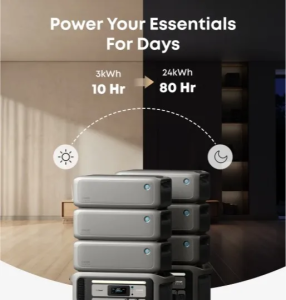
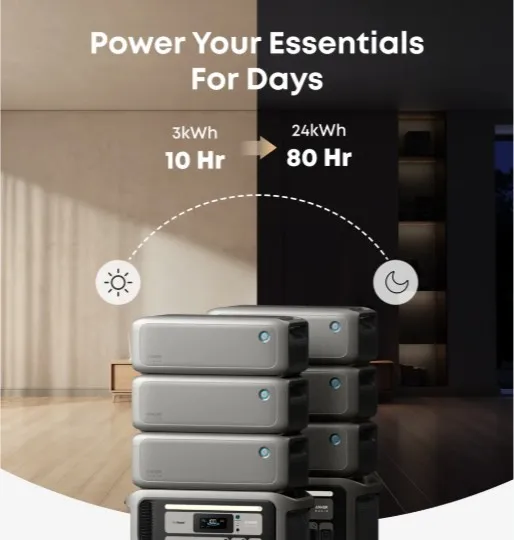
Expandable Power Stations for Longer Apartment Power Outages
Expandable power stations allow residents to increase battery capacity when longer outages require additional stored energy. The Anker SOLIX F3000 Portable Power Station supports essential 120V appliances and offers compatible expansion options for extended backup needs. Two units can also provide 240V output through the appropriate connecting equipment, although most apartments primarily require standard household outlets. Evaluate available storage space, total system weight, and actual electricity requirements before choosing a larger expandable backup arrangement.
How to Set Up and Store Apartment Backup Power Efficiently
Choose a Safe Storage Spot Without Blocking Ventilation
Select a dry, stable location that keeps your power station accessible without obstructing daily activities. Avoid placing it near radiators, windows receiving direct sunlight, or areas exposed to moisture. Never block ventilation openings or operate the unit inside a tightly enclosed cabinet. Follow the manufacturer’s clearance recommendations during charging and discharging. Keep the station away from emergency exits and walkways. When storing it between outages, maintain the recommended battery charge level and switch off unused outputs.
Organize Charging Cables and Power Connections to Reduce Clutter
A well-organized charging setup reduces clutter and helps prevent accidental disconnections. Keep compatible cables together in labeled storage pouches or dedicated compartments near the power station. Use cable ties or organizers to manage excess cable length without sharply bending wires. Position connected devices close enough to avoid stretching cords across busy walkways. Avoid overloaded power strips and damaged extension cables. Maintaining clear access to charging ports and outlets makes emergency setup faster, safer, and more convenient.
Plan Efficient Recharging and Battery Maintenance for Emergency Readiness
Maintain your power station’s battery according to the manufacturer’s recommended charging and storage instructions. Check remaining capacity periodically and recharge before it falls below the specified threshold. During normal conditions, use a compatible wall outlet to replenish the battery and confirm that charging functions correctly. Review available power-saving settings to reduce unnecessary standby consumption. Keep charging accessories accessible and inspect cables for wear. A consistent maintenance routine helps ensure your backup equipment remains ready for unexpected apartment power outages.
Conclusion
Portable power stations provide apartment residents with a convenient way to maintain essential electricity during unexpected outages. Compact designs suit smaller living spaces, while larger or expandable systems support increased energy requirements. Choose a unit based on battery capacity, output compatibility, operating noise, and available storage space. Proper ventilation, organized cables, and regular battery maintenance further improve safety and convenience. With thoughtful planning, you can create a dependable apartment backup power arrangement without sacrificing valuable living space.