Foldable Phone Guide: Types, Benefits, Prices, and Buying Advice
A foldable phone is a smartphone with a flexible OLED display and a precision hinge system that lets it change shape. Depending on the design, it can open into a tablet-sized screen or close into a smaller, pocket-friendly device. In the United States, prices range from roughly $400 for discounted flip models to more than $1,700 for premium book-style phones. This guide explains the main types, benefits, drawbacks, prices, and buying factors so you can choose the right design for your daily use.
The Three Main Types of Foldable Phones
Foldable phones generally fall into three categories: book-style models, clamshell flip phones, and newer trifold designs. Each form factor solves a different problem. Book-style phones prioritize productivity, flip phones emphasize portability, and trifolds aim to provide the largest screen without requiring a separate tablet.
Book-style foldables for multitasking
Book-style foldables open horizontally, much like a small book. Their outer screen works like a conventional smartphone, while the inner display usually measures about 7.6 to 8.1 inches when unfolded. The larger screen is useful for reading documents, managing email, viewing maps, editing photos, and running two apps side by side. It also provides a more comfortable surface for video and gaming.
The trade-off is size and cost. These phones are thicker and heavier when closed than standard smartphones, and flagship models can cost between approximately $1,500 and $1,700 before promotions.
Clamshell foldables for pocket-friendly portability
Clamshell foldables fold vertically, similar to classic flip phones. When closed, they take up less space in a pocket or small bag. When opened, they provide a screen that is usually close to the size of a standard smartphone. An external cover display allows you to check notifications, control music, view directions, take selfies, or respond to short messages without opening the phone.
Flip phones are often more affordable than book-style devices, although premium versions can still approach $1,000 or more. They are best for people who want a conventional smartphone experience with easier portability and a bit of personality.
Trifold phones for larger tablet-like displays
Trifold phones use two hinges and three display panels. When fully open, they can offer a considerably larger tablet-like screen than a typical book-style foldable.
This design could appeal to users who want a portable workstation for spreadsheets, video editing, multitasking, or entertainment. However, trifolds are still less common, tend to cost more, and may be thicker or heavier. Buyers should also pay close attention to hinge construction, software support, repair options, and availability in the United States.
Are Foldable Phones Worth Buying?
Yes, a foldable phone can be worth buying if its larger or more compact format solves a problem you experience every day. It is less compelling if you mainly want the best camera, longest battery life, or lowest price from a conventional smartphone.
The biggest benefits include:
- Larger displays for multitasking, reading, streaming, and gaming
- Compact folded dimensions on clamshell models
- Hands-free viewing and photography at multiple hinge angles
- A more flexible device that can replace some tablet use
- Cover screens that make quick tasks faster
The drawbacks are just as practical. Foldables usually cost more than similarly powered slab phones, and their inner displays require more care. The crease may remain visible, especially at certain angles or under direct light. Some models also have narrower outer screens, heavier bodies, or camera systems that do not match the best conventional flagships.
For many buyers, the decision comes down to priorities. If you value a large display or pocket-friendly design more than maximum durability and value, a foldable can be a smart upgrade. If not, a conventional phone may provide a better overall balance.
Which Foldable Phone Design Fits Your Needs?
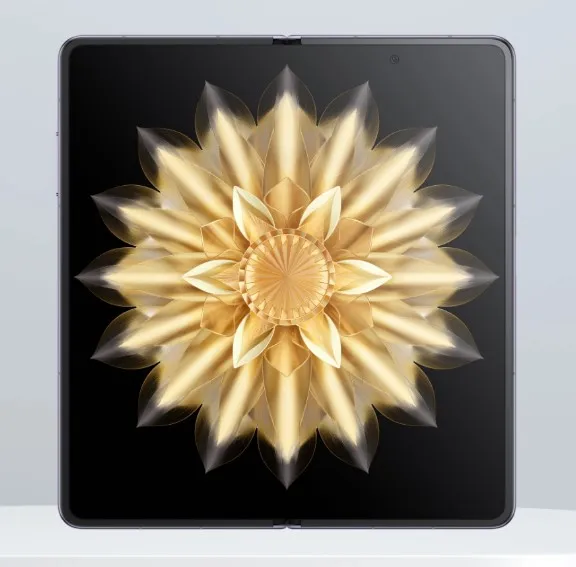
The best form factor depends on how you balance screen size, portability, productivity, and convenience. On the HONOR Magic V2, the 6.43-inch cover display handles quick tasks, while the 7.92-inch inner display gives you more room to read documents and work with two apps side by side.
For productivity, book-style models are the strongest option. Their wide inner screens make split-screen apps more practical and reduce the need to constantly switch between windows. They are also better suited to watching movies, reading digital magazines, and reviewing long documents.
Clamshell models win on portability. They fit more easily into compact pockets and can reduce distractions because the cover screen encourages quick interactions rather than extended scrolling. Their hands-free “flex” modes can also be helpful for video calls, selfies, and watching content on a table.

How to Choose the Right Foldable Phone
Comparing foldable phones requires more than checking the unfolded screen size. Think about how you carry, use, charge, and protect your phone every day.
Step 1: Choose between flip and book-style designs
Choose a flip model if pocket space, lower weight, and quick interactions matter most. Choose a book-style model if you regularly read, multitask, edit content, or want a tablet-like entertainment screen.
A trifold may be worth considering only if you specifically need the largest possible display and accept higher cost and more complicated hardware.
Step 2: Set a realistic budget
Discounts can make previous-generation flip phones more affordable. Before buying an older model, check how much software support remains and whether the seller covers battery or hinge problems.
When comparing flip and book-style foldables, check the price for the storage you need. Factor in trade-in terms, carrier requirements, and warranty coverage before judging a deal by its advertised price.
Step 3: Compare displays and software features
Look at both the cover and inner displays. Check their size, aspect ratio, brightness, refresh rate, crease visibility, and usefulness for your favorite apps.
Software is equally important. Features such as split-screen layouts, floating windows, app continuity, stylus support, and flex-mode controls can determine whether the large screen feels genuinely useful or merely impressive in a store.
Step 4: Check battery, charging, and performance
Compare battery capacity with independent endurance tests when possible. Also review charging speed, wireless charging, processor generation, storage, and thermal performance.
Gamers should look for sustained performance, a high-refresh-rate display, effective cooling, and enough storage for large games. For general use, efficient software and reliable cellular performance may matter more than the fastest available chip.
Step 5: Review cameras, durability, warranty, and repair support
Do not assume an expensive foldable has the best cameras. Compare low-light photography, zoom quality, stabilization, front-camera placement, and video features with conventional flagships.
Finally, check the manufacturer’ s warranty, accidental-damage coverage, repair pricing, authorized service locations, and replacement-part availability. These details can have a major effect on the true cost of ownership.
Foldable Phone Buying Recommendations by User Type
Different buyers benefit from different designs. The right choice depends less on novelty and more on the task you want the phone to make easier.
Best fit for productivity-focused users
Choose a book-style foldable if you handle email, documents, calendars, spreadsheets, or messaging throughout the day. The inner screen can reduce app switching and make a phone more capable of replacing a small tablet.
A model with strong multitasking software, a bright display, long-term updates, and optional stylus support is particularly useful for work.
Best fit for travelers and small-pocket convenience
A clamshell phone is the most practical choice for travelers, commuters, and anyone who dislikes carrying a large handset. Its smaller folded footprint leaves more room for a wallet, passport, or keys.
Prioritize a useful cover display, dependable battery life, durable hinge, eSIM and 5G support, and a camera that performs well in changing light.
Best fit for media and gaming
Book-style foldables are generally better for movies, comics, browsing, and games because the inner screen provides more space. A wide aspect ratio and strong speakers can make the experience more immersive.
For gaming, check whether your preferred titles support the unusual display shape. Also consider weight, heat, battery drain, and whether the hinge can hold the phone at a comfortable viewing angle.
Best fit for budget-conscious buyers
Budget shoppers should focus on discounted prior-generation models rather than buying the newest release at launch. A previous-year flip phone may offer excellent value when its software support and battery remain adequate.
Buy from a reputable retailer, verify that the phone is unlocked and compatible with your carrier, and inspect return policies carefully. A low price is less attractive if repairs are unavailable.
Best fit for shoppers who prefer conventional phones
A standard slab phone remains the better choice if you want maximum durability, simpler repairs, strong battery efficiency, or the best camera value. Conventional phones also avoid the crease and do not require special handling around hinges and flexible displays.
You can still compare display size, refresh rate, cameras, and charging without accepting the added cost and complexity of folding hardware.
Conclusion: Is a Foldable Phone Right for You?
A foldable phone is worth considering when its form factor directly improves your routine. Choose a flip model for compact portability and quick cover-screen interactions, a book-style model for multitasking and tablet-like viewing, or a trifold only if you need an unusually large display and accept its higher cost.
Before buying, set a firm budget, compare battery and repair support, inspect the inner-screen protection, and decide how often you will use the unfolded screen. If that screen or compact folded shape will be part of your everyday life, a foldable can justify its premium. If you mainly want reliability and value, a conventional smartphone remains the safer choice.